
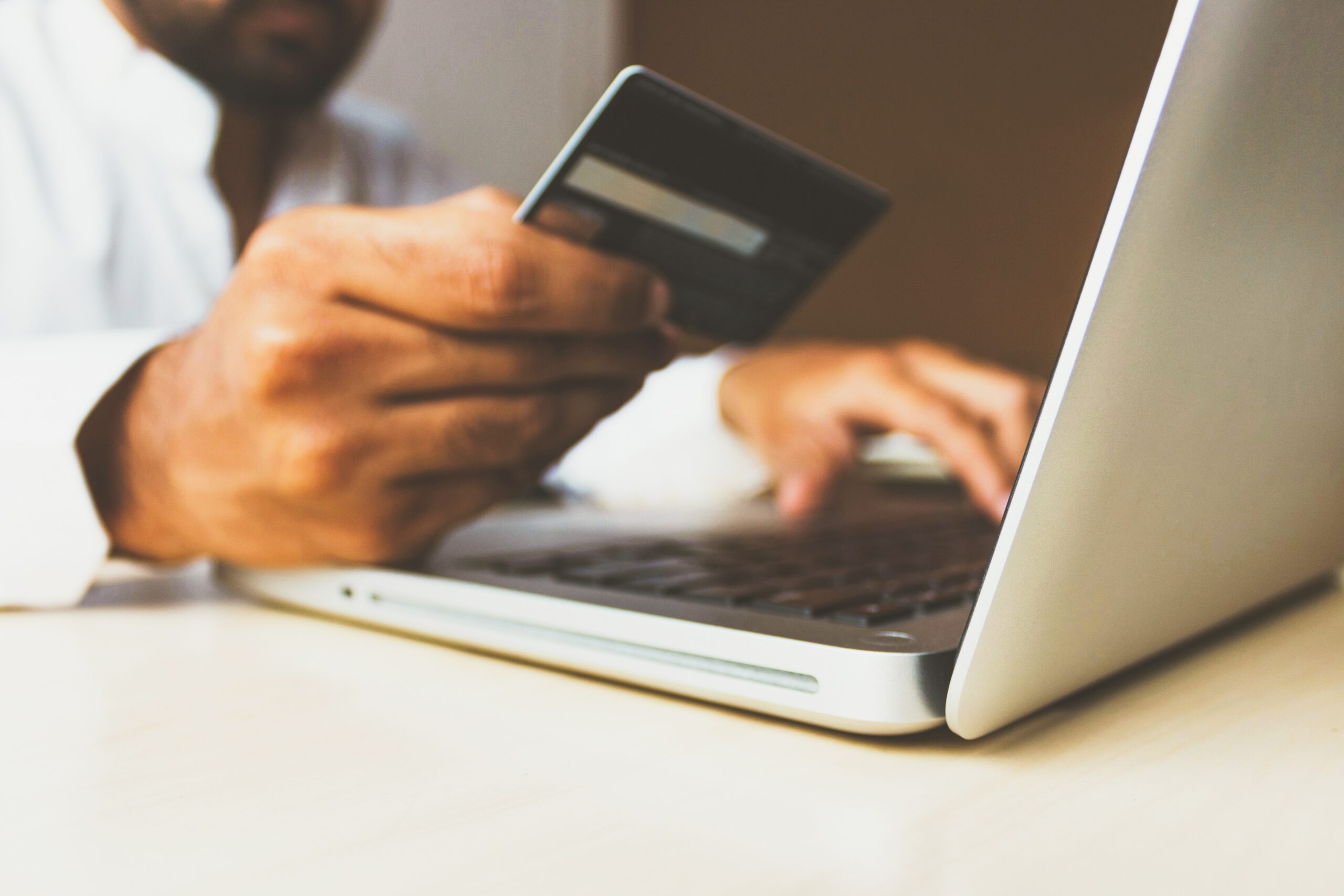
Online shopping offers numerous benefits, including convenience, a broader selection of products, and easy access to valuable information. However, it also has its downsides, such as potential hidden costs, increased fraud risks, and longer waiting times.
Pros of Online Shopping
Convenience:
- Online shopping is incredibly convenient, allowing you to make purchases from the comfort of your own home.
- Online stores are open 24/7, offering flexibility to fit shopping into your busy schedule without worrying about store hours.
Greater Selection:
- Online retailers have more extensive inventories compared to physical stores, providing a wider variety of products.
- Shoppers can access products from retailers worldwide, expanding their choices beyond local stores.
Easy Access to Information:
- Online shopping offers detailed product information through descriptions, recommendations, and customer reviews, helping you make informed decisions.
- Membership options provide early access to sales, seasonal releases, and special events from your favorite brands.
Cons of Online Shopping
Can Be More Expensive:
- Online purchases can become costlier due to factors like minimum purchase requirements for free shipping and strategies that encourage impulse buying.
- Some states impose internet sales taxes, adding to the expenses.
Increases Risk of Fraud:
- Online shopping scams are a genuine concern, with some scammers setting up fake websites or ads on legitimate platforms.
- It’s advisable to pay with a credit card to allow easy fraud reporting, and avoid sellers who insist on money transfers, gift cards, or cryptocurrency.
Leads to Longer Wait Times:
- Unlike in-store shopping, online purchases require waiting for delivery, which can take days or weeks.
- If you need an item immediately, such as for a gift, in-person shopping may be more suitable.
How to Maximize Your Online Shopping Experience
Know Which Products To Buy Online:
- Decide which items are better to buy online, considering the availability of consumer reviews, discounts, or deals.
- For products that require immediate use or long-lasting value, such as groceries or automobiles, in-person shopping may be preferred.
Read Reviews:
- Prior to making a purchase, read both retailer and third-party reviews to evaluate the retailer’s legitimacy and potential product concerns.
- Reviews are essential for small businesses, offering insights for future customers.
Examine Product Details:
- Review product descriptions to understand materials, warranty information, sizes, and other important details to prevent unexpected issues upon delivery.
Money-Saving Tips for Online Shopping
Comparison Shop:
- Research multiple online stores to compare prices and find the best deal for your desired product.
- Pay close attention to product descriptions, especially terms like “refurbished” or “vintage.”
Follow Online Retailers on Social Media:
- Many online retailers promote sales and discounts on their social media channels, allowing followers to access exclusive offers.
Use Money-Saving Apps or Plug-ins:
- Numerous apps and plug-ins like Honey, Swagbucks, and Rakuten can help you save money.
- Look for online coupon codes on websites like RetailMeNot.com and Coupons.com.


